JOHN HENRY FOLLEY
  • Fine Art
    • Still Life
    • Portraiture
    • Commissions
  • Beauty Advocacy
  • Live Painting
    • Weddings
    • Wedding Portraits
    • Other Events
    • F. A. Q.
    • Painting Demonstrations
  • Study with John
  • About
    • Contact
    • Artist Statement

Introducing The American Book of Fables!

5/12/2026

0 Comments


Confessions of an Artist's Wife Vol. 1
( aka: Notes from Deirdre )

What is The American Book of Fables? you ask. ​
Picture
The latest book from John and his friend and collaborator, author Matthew Mehan. It is for sure their magnum opus to date -- a much more ambitious and weighty (literally - it's 396 pages) book even than their previous two, Mr. Mehan's Mildly Amusing Mythical Mammals and The Handsome Little Cygnet. 


It's a compendium, a great collection, at once a sampler of traditional American wisdom and new American literature, and chock full of new American art (by John!). 
​
Picture
  Initial sketch for the oil painting that turned out to be the cover! ​
Nursery rhymes - old and new - poems, tales - old and new... Matthew has adapted and retold many of Aesop's fables with American wildlife (here the fox and the hare give way to the buffalo and the map turtle) and written original fables for today's reader. There are also selections from original sources: founding Fathers, letters from Abigail Adams, stories gleaned from accounts of the old Wild West, and much more.


Fables is divided into sections, each one exploring a different geographic region of the United States and each one also representing the principles put forth in a different literary section of the Declaration of Independence. 


So you could say that it's a work, for the whole family to enjoy, highlighting the whole nation, as a grand celebration of the 250th anniversary of the U.S. 


The book is available and set to launch officially on May 19th. Purchasing information is at the bottom of the page, but for now I just want to take you behind the scenes some more on the massive collection of artwork you will find in these pages! ​

Artists on Fire

One of the most amazing things about this book - to my mind - is how it was produced. Both author and illustrator are very busy guys, and they identified a window about 4-5 months long in which they could get this done. 
After a lot of preparation in the form of deep research on Matthew's part and cross-country travel (John was able to join Matthew on a tour of some of the great National Parks for inspiration), they cleared their calendars starting in November and dove in! 
​
Picture
Never before had John illustrated a book while it was being written. While Matthew, in Northern VA, was churning out the written Fables, John, in MA, was painting in tandem. Sharing ideas back and forth, discussing stories and imagery, plotting and planning, they both kept long hours and rode the creative wave for weeks upon weeks.
"Perfect for reading aloud together, The American Book of Fables is a loving celebration of America’s landscape, heritage, and enduring ideals. Beautifully illustrated by John Folley, this patriotic treasury reminds us — and teaches the next generation — of the high principles, dangerous freedoms, and shared memories that make our country not just great, but good."
Justin Shubow
President of the National Civic Art Society
At the outset, John's assignment was to produce thirteen oil paintings - each 3'x5' - one for each section of the book; a few dozen small watercolor paintings; and an accompanying collection of small line drawings to sprinkle through the text. 
Matthew always has ambitious and complex visions for the illustrations for his books, every image loaded with symbolism and layers of references and action! Somehow John takes it all in and rises to the occasion time after time. 
By day, John would paint the large oil paintings like this one here.
Picture
By evening, he would come home for family dinner, help settle the little kids to bed, read aloud to the big kids, and then either head back to the studio for more oil painting or set up shop in the dining room to produce watercolors, three at a time. 


In between and while the watercolors dried, he had ink drawings to do. And there were always phonecalls to have with the author to go over the latest ideas! 
By the time that the book was complete and heading to the printer, John had literally lost count of how many little paintings and drawings he ended up completing to enhance the many pages of this book. ​
As we hit March of this year, the clock was ticking. The pressure was on, as the publisher wanted to make sure to have the book in hand well in advance of a July 4th release to celebration the nation's 250th! 
Believe me, this author-illustrator team worked until the eleventh hour, practically sending the final pages into the press while the first ones were already on their way out! 
It was an amazing creative process to witness. 

Picture
A thread running through the book is the travels of the lovably clumsy character Hugh Manatee (say it out loud - get it?). John produced this little guy from clay in order to reshape and re-pose him for the various adventures to be depicted in the stories. Definitely his most unusual in-studio model to date!
​
Picture

Picture
When the paintings were all done and dry, John brought them to his favorite art reproduction photographer at Image-Tec, where his buddy there worked the magic to render these works into digital form for the publisher. It's a masterful process and the rendering in the book is as close to life as you're gonna get with today's reprinting technology! 
​
Picture
John has since handed the original paintings off to Matthew, who was visiting with us just a few weeks ago on the occasion of a book launch of sorts. They will continue to travel with him on his book tour and he has some exciting plans for where some of them may end up (if they're not purchased along the way!). ​

Why did they do it? 

At the end of the day, this huge creative push (the culmination of years of planning, pondering, research, and study) is the result of a pure artistic desire on the part of John and Matthew. 
They genuinely wanted to produce a book that would be edifying, would be awesome, would be a continuation of a great tradition and also truly new and original... something great for families to share because it's beautiful and deep and inspiring, and also because it's fun! 

We hope you will love it! 

How to buy?? 

Enough of this behind-the-scenes chit-chat! You want to know how to get your hands on this book!!
  1. Pre-order on Amazon! 
  2. Then, ASAP, please write (if you deem it worthy — we hope!) a five star review on Amazon!
  3. Share the Amazon link to your friends and family (or just forward this email).

Launch week is May 19-May 22 - your purchase in this window is very helpful to us!​

If you want to really support John's illustration work (and we have high hopes for the release of this book, which is why time is of the essence for orders), please also request the book at your local bookstore and local library! Every purchase, glowing review, and library request helps in the 'bestseller' tallies! 
Thank you!

Rooted in the beauty, drama, and grandeur of America itself, The American Book of Fables invites young readers into our shared inheritance of place, principle, and possibility. These are not empty tales, but living stories that echo with the rhythms of rivers, mountains, and the enduring ideals that have defined this nation at its best.
...
This is the kind of book that belongs in every home. Read it aloud. Return to it often. Let it do its quiet, steady work."
                                                         —Jeremy Tate, founder of the Classical Learning Test
0 Comments

Dorothy Sayers and Making Art - a podcast

4/6/2021

2 Comments

 
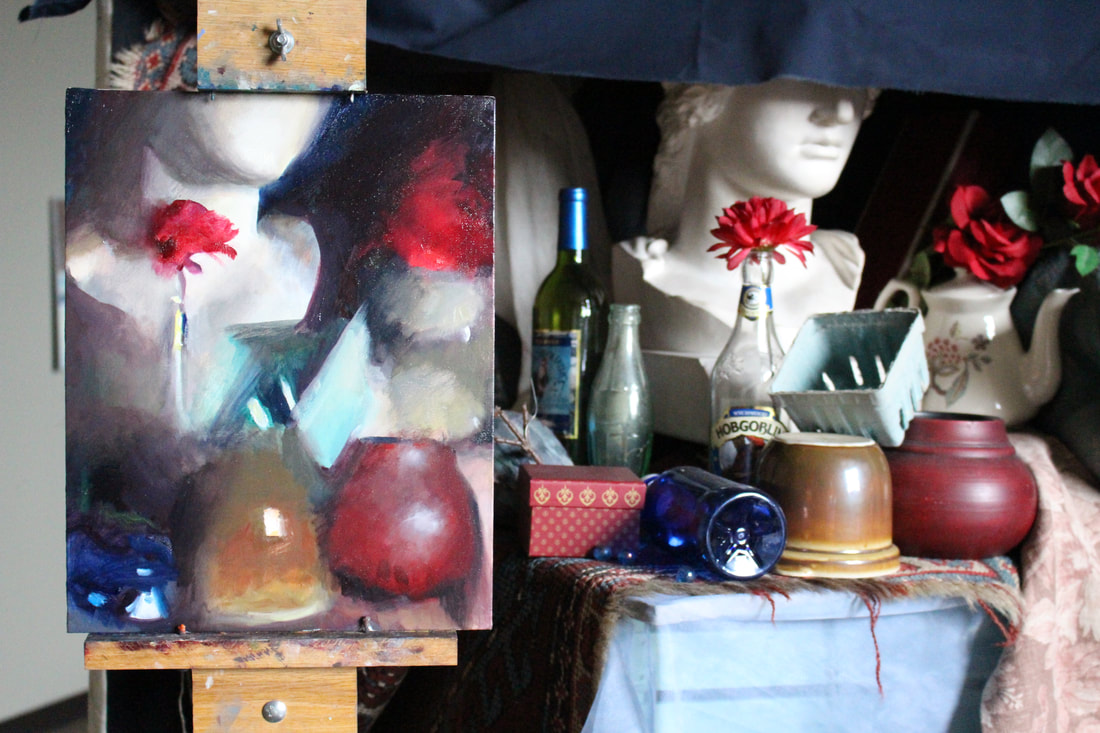
Oil painting in progress by John Folley
An oil painting study from training back in 2017
Not too long ago I was a guest on the show The Brothers F Bookcast with my friend Francisco and his brothers. They invited me to pick an art-related topic for discussion, so I went with a short story by the incisive Dorothy Sayers. 

We had a fun time. You can have a listen here: ​https://www.thebrothersf.com/episode/dorothy-sayers-making-art-with-john-folley-

Let me know what you think if you listen! Literature fans may want to add The Brothers F to their regular list!
2 Comments

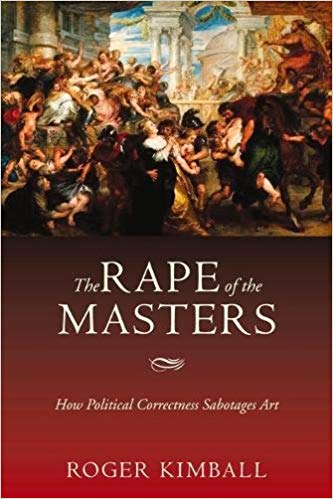
Read this before talking to art snobs. Recommended Reading No. 1: 'Rape of the Masters'

4/27/2019

2 Comments

 
Roger Kimball's book The Rape of the Masters: How Political Correctness Sabotages Art was a fun, quick read from cover to cover. If you have ever been subjected to recent art criticism, this book provides catharsis.

With humor and wit, Kimball confronts the obfuscating rhetoric that clothes political agendas -- not with his own competing rhetoric and agenda but by trying to let the artwork speak for itself. Whereas so-called art critics, bedecked as they are with prestige, institutional backing, and economic privilege, tend to flabbergast, intimidate, and discourage, Kimball encourages his readers to take a step back, have a good laugh at what currently passes for academic art insight, and counter it with a good dose of common sense. He often quotes artists themselves, as well as their contemporaries, to provide a clearer view of how they understood each artwork under discussion. 
​
Picture
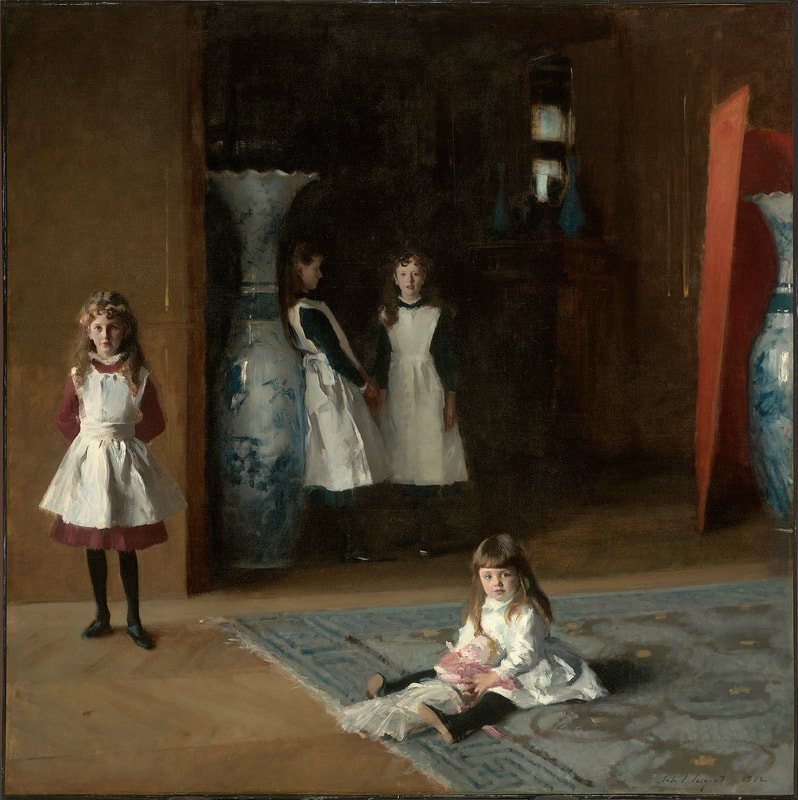
Kimball considers a number of cases of art criticism that he assures us are representative of the current practices in the field (rather than outliers or exceptions), systematically exposing them and de-jargonizing them while diagnosing the intellectual diseases at work in each case. Having been through a number of college art history courses at a prestigious university, I can attest that his selection of texts certainly is representative of the fare foisted upon my classmates and I. One of my favorite instances here is a perfectly ridiculous text on "The Daughters of Edward Darley Boit," a beautiful group portrait by John Singer Sargent. The art historian who penned the text, one Professor Lubin, wanders so far afield that he starts reading perverse sexual meaning into words that don't even appear in the painting or in the title of the painting, but only in the pun on the title that the author admits to fabricating himself and that would have never occurred to the artist or the patron. It is in this bizarre way that he purports to "find" the meaning inherent in the artwork. From the book: 

"Professor Lubin's first point is that the French word for box, boîte, is only one letter and an accent mark away from the surname of the painting's subject: "Boit." "The Boit Children makes a visual-verbal pun by translating into Les Enfants de (la)Boît(e): the children of Boit and the children of the box." In fact, it is not the painting that makes the pun - and a silly enough pun it is - but Professor Lubin. And that's just the beginning of the charade....
"Professor Lubin readily admits that "It far oversteps the bounds of credibility to think that Sargent had any of this in mind before, during, or after he painted the painting." "For this relief, much thanks"! (Hamlet I:1) But then he cheerfully tells us that, notwithstanding what Sargent thought, we shouldn't be surprised "if somehow a psychic transfer or transmutation occurs between the verbal part of the creative mind... and the visual part." Psychic transfer? Transmutation? What is this, Shirley MacLaine meets art history?"


Kimball quotes Lubin at length as the latter goes on (and on) about vagaries of the significant connections between certain - ahem - anatomical parts and the uppercase and lowercase of the letter 'e' (because -- don't forget! -- the letter 'e' is conspicuously absent from the name in the title of this painting! Following this?). All he has to do here to reveal Lubin's absurdity to the sound-minded is simply to quote him!

In short, Kimball has done a wonderful service: He selects representative tests of art criticism, translates them for his reader in the context of the real work, the practices of the artist, and his times, and calls them out for what they are: self-serving academic and political garble dressed up in very fancy pseudo-psychology, pseudo-philosopy, and, most of all, just words, words, words... Words that ultimately obscure the paintings they purport to describe. Kimball continues on more witty and enlightening jaunts with paintings by Courbet, Rubens, Winslow Homer, and van Gough and their critical aggressors, valiantly defending the honor of the masters along the way.
Picture
Sargent's group portrait. Photo courtesy of www.MFA.org
While he does a delightful job of pointing out the ridiculous aspects of the current state of art criticism and the intellectual rot that has for a long time posed as learning, I do dock Kimball a few points for trying to enlist to his aid a number of artists and critics who are complicit in this decay. For example, Kimball amusingly rips apart a piece of art criticism or two dealing with the canvases of Marc Rothko, but not before a few pages of dedicated to apparently serious appreciation of that painter. He seems to accept, if not validate, Rothko's place in the canon of Western Art as written by the very critics and academics he is lampooning. Rothko's current prestige and place in the art world relies almost solely on the basis of the ridiculous climate of the arts made possible by the decay of common sense and the love of beauty. The only way Rothko can be so highly revered as he currently stands is through the rejection of beauty and the acceptance in its place of fatuous theory and political jockeying.

Kimball also tries to enlist Clement Greenberg as an ally in his interpretation of Paul Gauguin without putting Greenberg in his proper context as one of the primary founders of the strains of art history attempting to do away with beauty as a central theme in understanding art. In fact, Greenberg himself was one of the first critics to reject the beautiful representation of volumetric form in paintings as meritorious and in its stead have a theory of art that valued "flatness" per se. This of course flies in the face of the tradition of Western painting which, from the time of Leonardo and even before, considered the beautiful and accurate rendering of three dimensional form one of the key marks of beauty and indicators of the accomplishment of an artist.

For readers interested in the subject of art history and those looking for further entertainment along these lines, I recommend Tom Wolf's The Painted Word to understand the earlier stages of the sickness of the art world and gain a broader critique of certain facts that Kimball either takes for granted or doesn't recognize as part of the problem.

Overall The Rape of the Masters proves clarifying, fun, and refreshing. I would heartily recommend it to anyone, especially those who deal with art critics or interact with the art world establishment in any way. From the author himself: "... I hope that The Rape of the Masters will provide some inoculation against academic intimidation. The claims made by the critical marauders I discuss in this book are so outlandish, and they are typically expressed in language that is so rebarbative, that many people are stunned into acquiescence or at least into silence. It pleases me to think that The Rape of the Masters will help counteract that anesthesia, prompting more people to object to the objectionable."

I think that Kimball's book will bear out these hopes admirably. Students in particular, approaching the discussion of art within mainstream academia or other art criticism circles, will do well to arm themselves with this work before undergoing the mental assault typical of the field. I wish I had been thus armed myself. 


What do you think? Does art criticism intimidate you? Do you have a hard time with interpretations of paintings that seem to be irrelevant to what's actually on the canvas? 
2 Comments

    Author

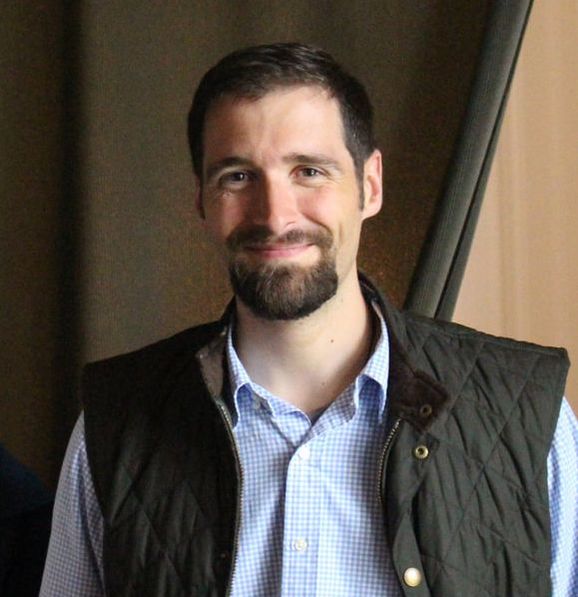
    Hello there, I'm John H. Folley, an oil painter in the Boston School tradition. Thanks for visiting the Beauty Advocacy Blog, where it's my job to help you become a more discerning art appreciator.
    I believe that beauty is real and that art has standards, and I'm here to push back against the pretensions of the modern Art world.

    Here you'll find updates on my studio projects, commissioned paintings, illustration, and some of my art philosophy. You'll also hear occasionally from my wife and studio manager, artist Deirdre M. Folley. Peace!

    Picture
    Connect with John:

    Categories

    All
    Amateur Painters
    Architecture
    Art Criticism
    Art News
    Auction
    Beauty Matters
    Boston
    Boston School Tradition
    Breadth
    Brush Strokes
    Catholic Art
    Catholic Artists Directory
    Chardin
    Commission
    Direct Painting
    Faces Of New England
    Family
    Flowers
    Gift Ideas
    In Memoriam
    Inspiration
    Interview
    John Singer Sargent
    Landscape
    Lately Complete
    Live Painting
    Madonna
    My Journey
    New England
    Philosophy
    Photorealism
    Portraiture
    Project
    Recommended Reading
    Sacred Art
    Sculpture
    Snyders
    Still Life
    St. Joseph
    Tea
    Wedding Painting
    Young Artists

    Archives

    February 2024
    November 2023
    June 2023
    August 2022
    May 2022
    February 2022
    January 2022
    December 2021
    November 2021
    October 2021
    June 2021
    May 2021
    April 2021
    March 2021
    January 2021
    November 2020
    October 2020
    June 2020
    May 2020
    March 2020
    February 2020
    December 2019
    November 2019
    September 2019
    July 2019
    May 2019
    April 2019
    March 2019
    February 2019
    January 2019
    October 2018
    August 2018
    July 2018
    June 2018
    May 2018
    April 2018

All original work 2025 © John Henry Folley. Kindly seek written permission from the artist before reproducing any of the above work in any form.
  • Fine Art
    • Still Life
    • Portraiture
    • Commissions
  • Beauty Advocacy
  • Live Painting
    • Weddings
    • Wedding Portraits
    • Other Events
    • F. A. Q.
    • Painting Demonstrations
  • Study with John
  • About
    • Contact
    • Artist Statement